
In today’s busy lifestyle, women often manage multiple responsibilities at the same time—family, career, home, relationships, and personal goals. While taking care of everyone else, many women forget one of the most important things: their own health. Good health does not come from crash diets, skipping meals, or following random trends on social media. Real health begins with simple daily habits, balanced nutrition, and consistency.
A woman’s body goes through many changes throughout life—from teenage years and reproductive years to pregnancy, motherhood, and menopause. Each stage brings unique nutritional needs. Proper nutrition helps support hormonal balance, healthy weight management, better digestion, stronger bones, glowing skin, improved immunity, and higher energy levels.
The good news is that staying healthy does not require complicated meal plans or expensive supplements. Small, smart daily habits can create long-term results. In this article, we will explore simple and effective healthy diet tips every woman can follow for better health, energy, and wellness.
1. Start Your Day with a Healthy and Balanced Breakfast
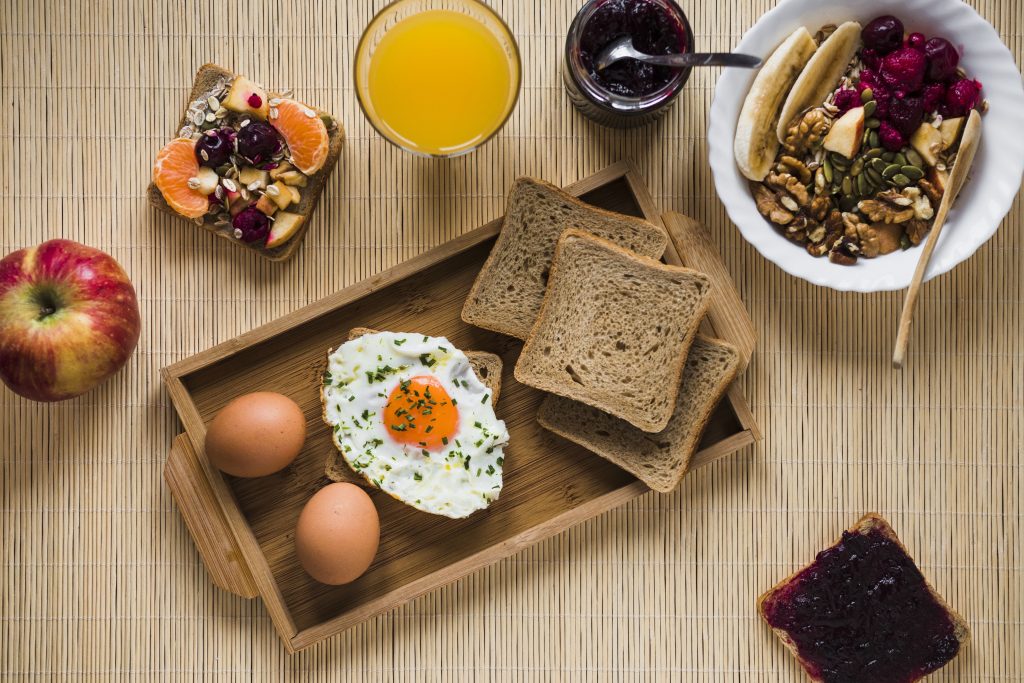
Breakfast is often called the most important meal of the day—and for good reason. After 7–8 hours of sleep, your body needs fuel to restart metabolism, balance blood sugar, and provide energy for the day ahead.
Many women skip breakfast because of busy mornings, weight-loss goals, or lack of appetite. However, skipping breakfast can lead to low energy, cravings, overeating later, and poor concentration.
A healthy breakfast should include:
- Protein
- Fiber
- Healthy fats
- Vitamins and minerals
Healthy breakfast ideas:
- Oats with fruits and nuts
- Vegetable poha with sprouts
- Moong chilla with curd
- Boiled eggs with whole grain toast
- Greek yogurt with seeds
- Smoothie with fruits and protein
When you start your morning with a nutritious meal, your energy remains stable, your metabolism works better, and unhealthy cravings reduce.
2. Drink Enough Water Every Day
Hydration is one of the most overlooked parts of women’s health. Water supports digestion, circulation, skin health, energy production, detoxification, and hormonal balance.
Even mild dehydration can cause:
- Fatigue
- Headaches
- Constipation
- Poor concentration
- Dry skin
- Mood changes
Many women confuse thirst with hunger and end up eating unnecessary snacks.
How much water should women drink?
Although needs vary, many women benefit from drinking enough fluids consistently through the day, especially in hot weather, exercise, or active lifestyles.
Easy hydration tips:
- Start your day with warm water
- Keep a water bottle nearby
- Drink water before meals
- Add lemon, mint, or cucumber for flavor
- Include coconut water or herbal drinks
Hydration improves digestion, skin glow, energy, and overall health.
3. Include Protein in Every Meal
Protein is essential for women at every age. It supports:
- Muscle health
- Hormone production
- Hair and skin health
- Tissue repair
- Immune function
- Weight management
Many women eat meals high in carbohydrates but low in protein, which can lead to cravings, weakness, and muscle loss.
Adding protein helps you stay full longer and supports fat loss while preserving muscle.
Healthy protein sources:
Vegetarian sources:
- Lentils
- Beans
- Chickpeas
- Paneer
- Tofu
- Yogurt
- Milk
- Nuts
- Seeds
Non-vegetarian sources:
- Eggs
- Chicken
- Fish
Simple protein habit:
Try including at least one protein source in every meal.
Examples:
- Breakfast: eggs or sprouts
- Lunch: dal or paneer
- Snacks: yogurt or nuts
- Dinner: lentils or tofu
Protein supports strength, metabolism, and long-term health.
4. Eat More Fruits and Vegetables
Fruits and vegetables are rich in:
- Vitamins
- Minerals
- Fiber
- Antioxidants
These nutrients support immunity, skin health, digestion, heart health, and hormonal balance.
Unfortunately, many women eat far less vegetables than their body needs.
Benefits of colorful fruits and vegetables:
- Improve digestion
- Reduce inflammation
- Support weight management
- Boost immunity
- Improve skin glow
- Protect against chronic disease
Best choices:
Green vegetables:
- Spinach
- Broccoli
- Fenugreek
- Cabbage
Colorful vegetables:
- Carrots
- Bell peppers
- Beetroot
- Tomatoes
Fruits:
- Apples
- Berries
- Oranges
- Papaya
- Pomegranate
- Bananas
Try to include fruits and vegetables in every meal.
5. Focus on Iron-Rich Foods
Iron deficiency is very common in women, especially during reproductive years. Low iron levels can cause:
- Weakness
- Fatigue
- Hair fall
- Dizziness
- Poor concentration
- Pale skin
Women lose iron during menstruation, so iron-rich foods are extremely important.
Iron-rich foods:
- Spinach
- Beetroot
- Dates
- Raisins
- Lentils
- Chickpeas
- Kidney beans
- Sesame seeds
Improve iron absorption:
Vitamin C helps iron absorption.
Pair iron foods with:
- Lemon
- Orange
- Amla
- Tomatoes
Example:
Spinach salad with lemon juice.
This simple combination improves nutrient absorption.
6. Take Care of Calcium and Bone Health
Women are at higher risk of bone weakness as they age, especially after menopause.
Calcium supports:
- Strong bones
- Teeth health
- Muscle function
- Nerve health
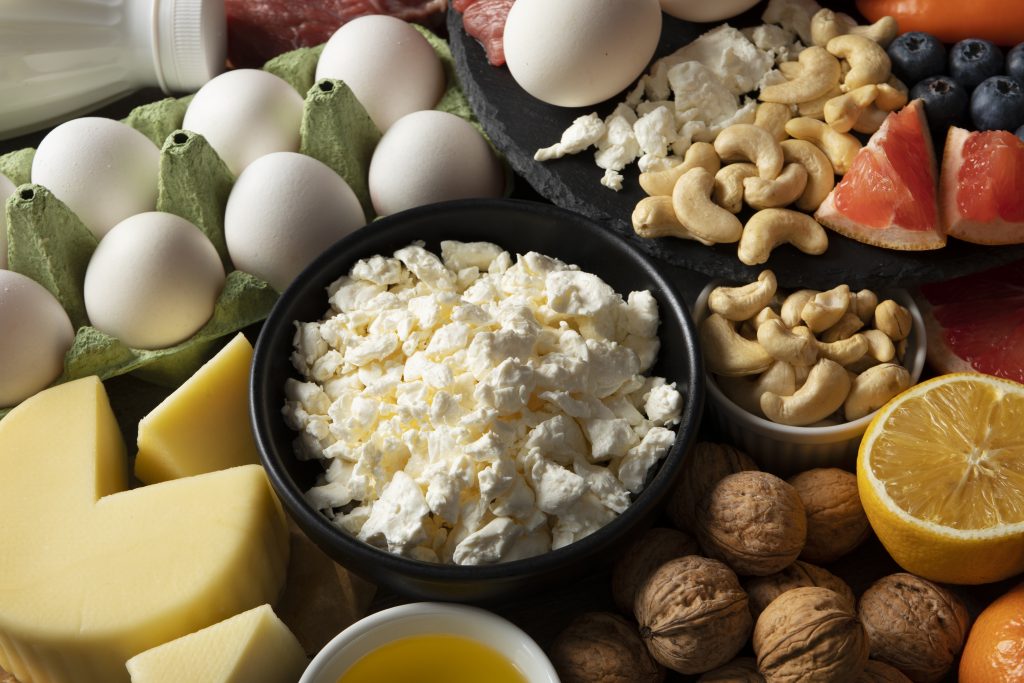
Calcium-rich foods:
- Milk
- Yogurt
- Paneer
- Ragi
- Sesame seeds
- Almonds
- Tofu
Vitamin D also helps calcium absorption, so sunlight exposure is important.
Simple daily movement plus calcium-rich foods support strong bones.
7. Avoid Processed and Sugary Foods
Packaged snacks, sugary drinks, bakery items, and processed foods may taste good, but too much can affect:
- Hormones
- Weight
- Skin health
- Energy levels
- Blood sugar
Common processed foods:
- Chips
- Cookies
- Soft drinks
- Instant noodles
- Packaged juices
- Cakes and pastries
These foods often contain extra sugar, unhealthy fats, and low nutrients.
Better alternatives:
Instead of chips:
- Roasted makhana
- Nuts
Instead of sweets:
- Fruits
- Dates
Instead of soft drinks:
- Lemon water
- Coconut water
Small swaps make a big difference.
8. Never Skip Meals
Many women skip meals for weight loss, but this often leads to:
- Low energy
- Mood swings
- Overeating later
- Poor metabolism
Eating regularly supports:
- Stable blood sugar
- Better digestion
- Hormonal balance
- Controlled appetite
Try eating balanced meals at regular times.
9. Practice Mindful Eating
Mindful eating means paying attention to your food, hunger, and fullness.
Many people eat while:
- Watching TV
- Using phones
- Working
This can lead to overeating.
Mindful eating habits:
- Sit down while eating
- Chew slowly
- Avoid screens
- Listen to hunger signals
Mindful eating improves digestion and portion control.
10. Choose Healthy Snacks
Snacking is not unhealthy—poor snack choices are.
Healthy snacks can support energy between meals.
Healthy snack ideas:
- Fruits
- Yogurt
- Nuts
- Seeds
- Sprouts
- Boiled eggs
- Roasted chickpeas
Avoid sugary snacks that cause energy crashes.
11. Support Hormonal Balance Through Nutrition

Hormones affect:
- Mood
- Weight
- Energy
- Skin
- Menstrual health
Healthy foods can support hormonal balance.
Helpful foods:
- Seeds
- Nuts
- Leafy greens
- Healthy fats
- Protein-rich foods
Poor sleep, stress, and unhealthy eating can disrupt hormones.
Balanced nutrition supports better hormonal health.
12. Don’t Fear Healthy Fats
Healthy fats support:
- Brain health
- Hormones
- Skin
- Energy
Sources:
- Avocados
- Nuts
- Seeds
- Olive oil
- Coconut
- Peanut butter
Healthy fats in moderation are beneficial.
13. Improve Gut Health
A healthy gut supports:
- Digestion
- Immunity
- Mood
- Skin health
Gut-friendly foods:
- Yogurt
- Fermented foods
- Fiber-rich vegetables
- Fruits
- Whole grains
Good gut health improves overall wellness.
14. Manage Stress Eating
Stress often leads to emotional eating.
Instead of sugary comfort foods, try:
- Walking
- Deep breathing
- Herbal tea
- Talking to a friend
- Journaling
Managing stress supports healthy eating habits.
15. Be Consistent, Not Perfect
Health is not about perfection.
You do not need to eat perfectly every day.
Real success comes from consistency:
- Drinking water
- Eating balanced meals
- Moving your body
- Sleeping well
Small habits create powerful long-term results.
Final Thoughts
Women’s health deserves daily attention, nourishment, and care. Your body supports you every day—through work, family, emotions, and life’s challenges. Feeding it with the right nutrition is one of the best investments you can make.
Healthy living does not begin with extreme diets. It begins with simple daily choices:
- Eating balanced meals
- Drinking enough water
- Moving regularly
- Managing stress
- Prioritizing sleep
- Nourishing your body with real food
Remember, every healthy choice matters.
Start small. Stay consistent. Trust the process.
Every woman has unique nutritional needs, and a personalized diet plan can help support better health, energy, hormonal balance, and long-term wellness.
Your health is your power—and every healthy habit brings you closer to your best self.