

In today’s fast-paced world, fitness enthusiasts and athletes are constantly searching for ways to improve their performance, recover faster, and maintain long-term health. While supplements and trendy diet plans often dominate the conversation, the real foundation of optimal performance lies in something much simpler: whole, unprocessed foods.
This is where the philosophy of a Refining Diet comes into play—not about restriction or extreme dieting, but about making smarter, sustainable food choices that fuel your body efficiently.
What is a Refining Diet?
A Refining Diet is not about starving yourself or eliminating entire food groups. Instead, it focuses on refining your eating habits by choosing nutrient-dense, minimally processed foods over highly processed ones.
It’s about:
- Eating clean, whole foods
- Improving food quality rather than cutting calories drastically
- Building sustainable habits
- Supporting both performance and overall well-being
Rather than asking, “How little can I eat?”, a Refining Diet asks, “How well can I nourish my body?”
Why Whole, Unprocessed Foods Matter

Whole foods are foods that are as close to their natural state as possible. These include fruits, vegetables, whole grains, nuts, seeds, lean proteins, and healthy fats. Unlike processed foods, they are rich in essential nutrients without added sugars, preservatives, or artificial ingredients.
1. Better Nutrient Density
Whole foods provide a higher concentration of vitamins, minerals, and antioxidants that are essential for muscle contraction, oxygen transport, and recovery.
2. Stable Energy Levels
Complex carbohydrates release energy slowly, helping maintain stamina during long workouts and preventing fatigue.
3. Enhanced Performance
When your body is properly fueled, strength, endurance, and focus naturally improve.
4. Faster Recovery
Nutrients like protein, omega-3 fats, and antioxidants help repair tissues and reduce inflammation.
5. Improved Gut Health
A fiber-rich diet supports digestion and better nutrient absorption, which directly impacts performance.
Going Deeper: Practical Aspects of a Refining Diet for Athletes
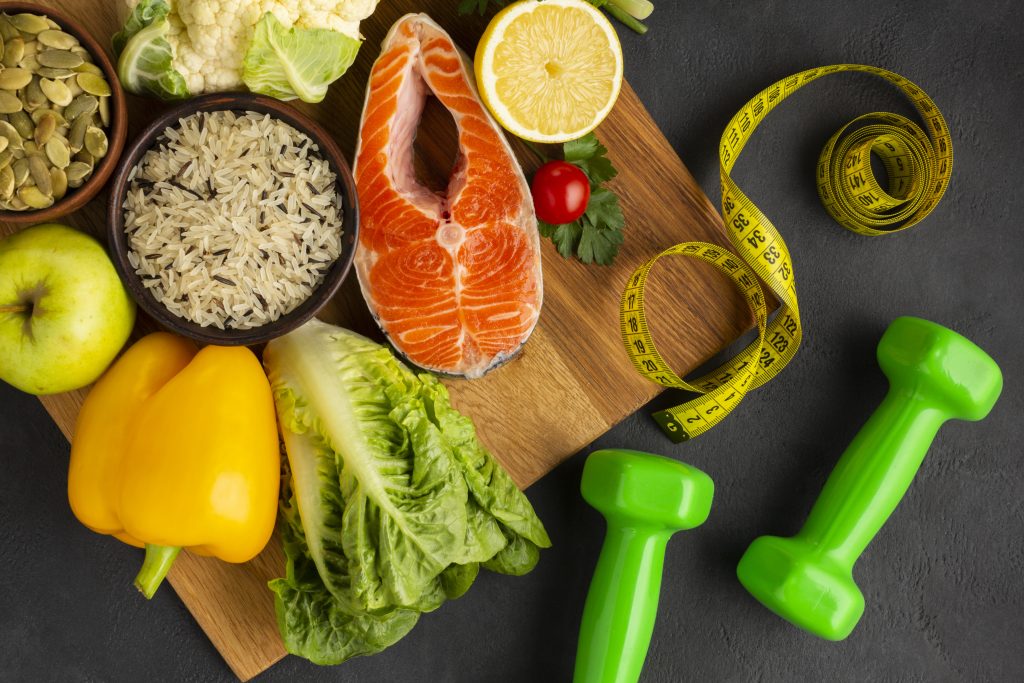
Understanding the concept is one thing—applying it daily is where real transformation happens. A Refining Diet is about making practical, realistic changes that fit into your lifestyle.
1. Focus on Food Quality Over Calories
Instead of obsessing over calorie counting, shift your attention to the quality of food. For example:
- 500 calories from chips vs 500 calories from a balanced meal have completely different effects on your body
- Whole foods provide satiety, nutrients, and sustained energy
Practical Tip: When building a plate, aim for color, variety, and freshness rather than numbers.
2. Build Athlete-Friendly Plates
Every meal should be structured to support performance. A simple method is:
- ½ plate: Vegetables (fiber + micronutrients)
- ¼ plate: Protein (muscle repair)
- ¼ plate: Carbohydrates (energy)
- Add healthy fats in small amounts
This approach ensures your body gets everything it needs without overthinking.
3. Smart Meal Timing for Performance
Nutrient timing plays a crucial role in sports nutrition.
Pre-Workout (30–90 minutes before):
- Focus on easily digestible carbs + light protein
- Avoid heavy fats
Examples:
- Banana with peanut butter
- Oats with honey
- Toast with eggs
Post-Workout (within 45 minutes):
- Combine protein + carbs for recovery
Examples:
- Rice + dal + paneer
- Chicken + sweet potato
- Protein smoothie with fruit
Specific Meal Ideas for a Refining Diet
To make things easier, here are practical and realistic meal ideas you can follow:
Breakfast Options
- Vegetable oats with boiled eggs
- Poha with peanuts + curd
- Whole grain toast + peanut butter + banana
- Smoothie (milk + oats + nuts + fruit)
Mid-Morning Snacks
- Apple + almonds
- Coconut water + roasted chana
- Greek yogurt with seeds
Lunch Options
- Brown rice + dal + sabzi + salad
- 2 rotis + paneer/chicken + vegetables
- Quinoa bowl with mixed veggies and legumes
Pre-Workout Snacks
- Banana
- Dates with nuts
- Black coffee + fruit
Post-Workout Meals
- Grilled chicken + rice + veggies
- Paneer bhurji + roti
- Egg bhurji + toast
Dinner Options
- Light khichdi + ghee
- Soup + sautéed vegetables + protein source
- Stir-fried vegetables with tofu/paneer
Before Bed
- Warm milk
- Handful of nuts
- Light protein snack
Smart Snacking: Refining, Not Restricting

Snacking is often where diets fail. The Refining Diet approach is not to eliminate snacks but to improve them.
Instead of:
- Chips, biscuits, sugary drinks
Choose:
- Fruits
- Nuts and seeds
- Roasted makhana
- Homemade smoothies
This keeps your energy stable and prevents overeating later. You could add: “For example, you could try a sprouted lentil salad or muesli with yogurt. These options keep you feeling full longer, helping options keep you avoid unnecessary snacking between meals.”
Hydration: The Most Underrated Performance Tool

Hydration is often ignored, yet it is one of the most critical factors in performance and recovery.
Why Hydration Matters
Even slight dehydration can lead to:
- Reduced strength and endurance
- Muscle cramps
- Fatigue
- Poor focus
Water plays a key role in:
- Regulating body temperature
- Transporting nutrients
- Supporting joint lubrication
How Much Water Do You Need?
While needs vary, a general guideline:
- 2.5–3.5 liters daily for active individuals
- More if you sweat heavily or train intensely
Hydration Strategy for Athletes
Before Workout:
- Drink 300–500 ml water
During Workout:
- Sip water every 15–20 minutes
After Workout:
- Rehydrate with water + electrolytes
Natural Hydration Options
Instead of sugary sports drinks, try:
- Coconut water
- Lemon water with a pinch of salt
- Buttermilk (chaas)
These provide electrolytes naturally and support recovery.
Recovery: Where Real Progress Happens

Training breaks your muscles down—recovery rebuilds them stronger. Without proper recovery, performance will decline no matter how hard you train.
Key Components of Recovery
1. Nutrition
Post-workout meals rich in protein and carbs help repair muscle tissue and restore energy.
2. Hydration
Replenishing lost fluids prevents fatigue and supports muscle function.
3. Sleep
7–9 hours of quality sleep is essential for:
- Muscle repair
- Hormonal balance
- Mental recovery
4. Active Recovery
Light activities like walking, stretching, or yoga improve blood flow and reduce soreness.
Common Mistakes to Avoid
Even with good intentions, many people make mistakes that slow progress:
- Skipping meals → leads to low energy
- Over-restricting food → reduces performance
- Relying too much on supplements → ignoring real food
- Ignoring hydration → causes fatigue
- Inconsistent eating habits → poor results
A Refining Diet focuses on consistency, not perfection.
The Mental Shift: From Dieting to Refining
One of the biggest transformations happens in your mindset.
Instead of:
- “I can’t eat this”
Think:
- “What’s a better option?”
Instead of:
- “I need quick results”
Think:
- “I’m building long-term health”
This shift makes your diet sustainable and enjoyable.
Long-Term Benefits of a Refining Diet
By consistently choosing whole, unprocessed foods, you can achieve:
- Sustainable fat loss
- Increased strength and endurance
- Faster recovery
- Better digestion
- Improved mental clarity
Most importantly, it builds a healthy relationship with food.
Final Thoughts
Fitness and sports nutrition don’t have to be complicated. The real secret lies in simple, consistent habits built around whole, natural foods.
The philosophy of a Refining Diet is powerful because it focuses on improvement, not restriction.
Eat better, not less.
Choose smart, not extreme.
Stay consistent, not perfect.
When you refine your habits, you naturally improve your performance, recovery, and overall lifestyle.
Start small—swap one meal, improve one habit, drink more water—and over time, these small changes will create powerful, lasting results.