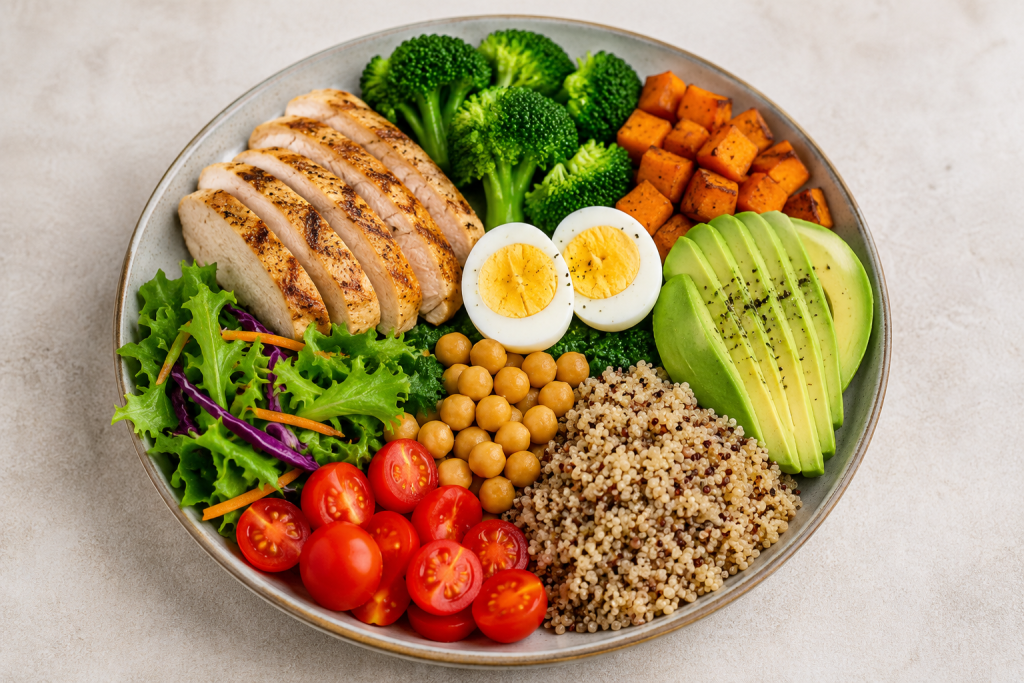
PCOS (Polycystic Ovary Syndrome) is one of the most common hormonal disorders affecting women of reproductive age. It can impact menstrual cycles, fertility, weight management, skin health, and overall well-being. While there is no single cure for PCOS, the right nutrition strategy can play a major role in managing symptoms and improving quality of life.
At Refining Diet, we believe that sustainable health begins with balanced nutrition rather than extreme restrictions. A well-planned PCOS diet can help regulate hormones, improve insulin sensitivity, support weight management, and promote long-term wellness.
What Is PCOS?
Polycystic Ovary Syndrome (PCOS) is a hormonal condition that occurs when the ovaries produce higher-than-normal levels of androgens, often referred to as male hormones. This hormonal imbalance can lead to a variety of symptoms, including:
- Irregular or missed periods
- Weight gain or difficulty losing weight
- Excess facial or body hair
- Acne and oily skin
- Hair thinning or hair loss
- Fertility challenges
- Insulin resistance
Many women with PCOS also experience increased cravings, fatigue, and difficulty maintaining stable blood sugar levels.
Why Nutrition Matters in PCOS
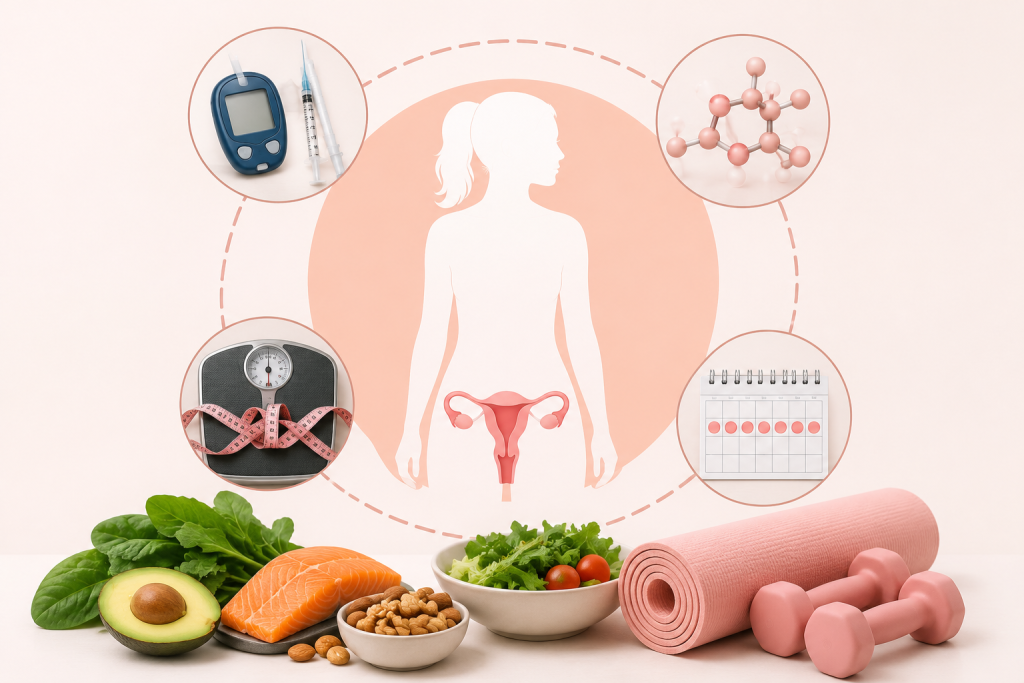
Nutrition is one of the most powerful tools for managing PCOS. Research shows that many women with PCOS have insulin resistance, meaning the body’s cells do not respond effectively to insulin. As a result, the body produces more insulin, which can contribute to hormonal imbalances and weight gain.
A balanced PCOS diet can help:
- Improve insulin sensitivity
- Reduce inflammation
- Support healthy weight management
- Regulate menstrual cycles
- Improve energy levels
- Reduce acne and other symptoms
- Support fertility and reproductive health
The goal is not to follow a restrictive diet but to build sustainable eating habits that support hormonal balance.
Best Foods to Eat for PCOS
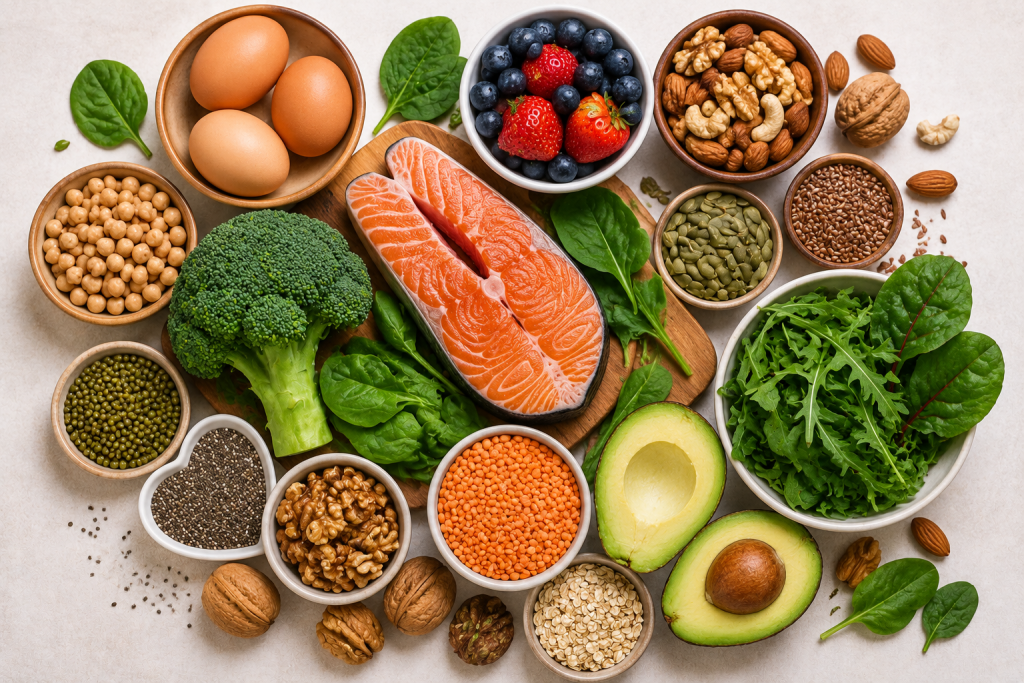
1. Lean Protein Sources
Protein helps stabilize blood sugar levels and keeps you feeling full for longer. Including protein at each meal may reduce cravings and support healthy weight management.
Good options include:
- Eggs
- Fish
- Chicken breast
- Turkey
- Tofu
- Paneer
- Greek yogurt
- Lentils
- Beans
- Chickpeas
Aim to include a source of protein with every meal and snack.
2. High-Fiber Foods
Fiber slows digestion, promotes satiety, and helps regulate blood sugar levels. High-fiber foods can be especially beneficial for women with PCOS.
Examples include:
- Oats
- Whole grains
- Quinoa
- Brown rice
- Vegetables
- Fruits
- Beans
- Lentils
- Chia seeds
- Flaxseeds
A fiber-rich diet may also support digestive health and reduce inflammation.
3. Non-Starchy Vegetables
Vegetables provide essential vitamins, minerals, antioxidants, and fiber while being naturally low in calories.
Excellent choices include:
- Spinach
- Broccoli
- Cauliflower
- Bell peppers
- Cucumber
- Zucchini
- Cabbage
- Lettuce
- Green beans
Try filling at least half of your plate with vegetables at lunch and dinner.
4. Healthy Fats
Healthy fats support hormone production and help reduce inflammation.
Include:
- Avocados
- Nuts
- Seeds
- Olive oil
- Fatty fish
- Nut butters
Moderate portions of healthy fats can make meals more satisfying and nutritionally balanced.
5. Low-Glycemic Fruits
Fruits provide important nutrients and antioxidants. Choosing lower-glycemic options may help maintain stable blood sugar levels.
Examples include:
- Apples
- Pears
- Berries
- Oranges
- Kiwi
- Guava
- Plums
Pair fruit with a protein source such as yogurt or nuts for better blood sugar control.
Foods to Avoid or Limit with PCOS

1. Sugary Foods and Drinks
Excess sugar can contribute to insulin resistance and blood sugar spikes.
Limit:
- Soft drinks
- Sweetened beverages
- Candy
- Cakes
- Cookies
- Pastries
- Excessive sweets
Instead, choose naturally sweet foods such as fruit.
2. Refined Carbohydrates
Refined carbohydrates are rapidly digested and may cause sudden increases in blood sugar.
Examples include:
- White bread
- White rice
- Sugary breakfast cereals
- Bakery products
- Processed snacks
Replace these with whole-grain alternatives whenever possible.
3. Highly Processed Foods
Ultra-processed foods often contain unhealthy fats, excess sodium, and added sugars.
Limit:
- Packaged snacks
- Fast food
- Instant noodles
- Processed meats
- Frozen fried foods
Choosing minimally processed foods can support overall health and hormonal balance.
4. Excessive Trans Fats
Trans fats may increase inflammation and negatively impact heart health.
Avoid:
- Commercial baked goods
- Deep-fried foods
- Packaged fried snacks
Read nutrition labels carefully when purchasing packaged products.
The Importance of Managing Insulin Resistance
Insulin resistance is a key factor in many cases of PCOS. Improving insulin sensitivity can positively affect hormone levels, menstrual regularity, and weight management.
Strategies include:
- Eating balanced meals
- Prioritizing protein
- Increasing fiber intake
- Staying physically active
- Maintaining a healthy sleep routine
- Managing stress levels
Even small lifestyle improvements can have meaningful long-term benefits.
Sample One-Day PCOS Meal Plan
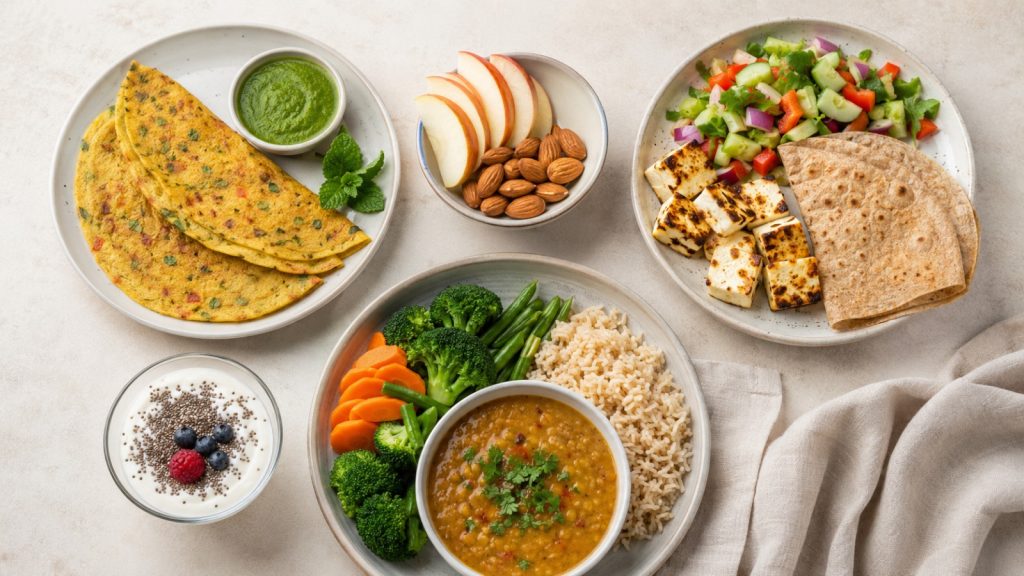
Breakfast
Vegetable omelet with whole-grain toast
or
Besan chilla with mint chutney
Mid-Morning Snack
Apple with a handful of almonds
Lunch
Grilled chicken or paneer
Mixed vegetable salad
Whole wheat roti or brown rice
Evening Snack
Greek yogurt with chia seeds
or
Roasted chickpeas
Dinner
Lentil soup
Mixed vegetables
Small portion of whole grains
Optional Bedtime Snack
Warm milk or unsweetened yogurt
This meal pattern provides protein, fiber, healthy fats, and nutrient-rich foods that support hormonal health.
Can Weight Loss Help PCOS?
For women who are overweight, even modest weight loss can significantly improve PCOS symptoms.
Benefits may include:
- Improved insulin sensitivity
- Better menstrual regularity
- Reduced androgen levels
- Improved fertility
- Enhanced energy levels
However, the focus should be on sustainable lifestyle changes rather than extreme dieting. Crash diets often lead to short-term results and may worsen hormonal balance over time.
Lifestyle Habits That Support PCOS Management
Prioritize Physical Activity
Regular exercise can improve insulin sensitivity and support weight management.
Aim for:
- Walking
- Cycling
- Swimming
- Strength training
- Yoga
Consistency matters more than intensity.
Improve Sleep Quality
Poor sleep may affect hormones that regulate appetite, insulin, and metabolism.
Helpful habits include:
- Maintaining a consistent sleep schedule
- Limiting screen time before bed
- Creating a relaxing bedtime routine
Manage Stress
Chronic stress can influence hormone levels and make symptom management more challenging.
Consider:
- Meditation
- Deep breathing exercises
- Journaling
- Yoga
- Spending time outdoors
Common PCOS Diet Mistakes
Many women unknowingly make dietary choices that can make symptom management more difficult.
Common mistakes include:
- Skipping meals
- Following overly restrictive diets
- Consuming too little protein
- Relying on processed “diet” foods
- Drinking sugary beverages regularly
- Ignoring sleep and stress management
A balanced and realistic approach is usually more effective than drastic changes.
When to Seek Professional Guidance
Every woman experiences PCOS differently. Factors such as age, activity level, medical history, and personal goals can influence nutritional needs.
Working with a qualified dietitian can help create an individualized nutrition plan that supports:
- Weight management
- Hormonal balance
- Fertility goals
- Blood sugar control
- Long-term health
A personalized approach often leads to better results than following generic diet plans.
Final Thoughts
PCOS can feel overwhelming, but nutrition and lifestyle choices can make a meaningful difference. The most effective PCOS diet is not about eliminating entire food groups or following extreme restrictions. Instead, it focuses on balanced meals, adequate protein, fiber-rich foods, healthy fats, and sustainable habits that support hormonal health.
At Refining Diet, we encourage women to focus on long-term wellness rather than quick fixes. Small, consistent improvements in nutrition, sleep, physical activity, and stress management can help support better hormonal balance, improved energy, and a healthier future.
By making informed food choices and adopting sustainable lifestyle habits, women with PCOS can take positive steps toward managing symptoms and achieving better overall health.