In today’s fast-moving world, people often talk about eating healthy, counting calories, avoiding sugar, or following the latest diet trends. But before trying any complicated diet plan, there is one basic concept everyone should understand—a balanced diet.
A balanced diet is not about eating less. It is not about skipping meals. It is not about removing carbohydrates or fats completely. A balanced diet is about giving your body the right nutrients in the right quantity so it can function at its best.
Whether you are a student, working professional, homemaker, athlete, senior citizen, or someone trying to lose weight, understanding balanced nutrition is the first step toward better health.
In this complete beginner guide, you’ll learn what a balanced diet really means, why it matters, what foods should be included, how to build a healthy plate, and common mistakes to avoid.
What Is a Balanced Diet?
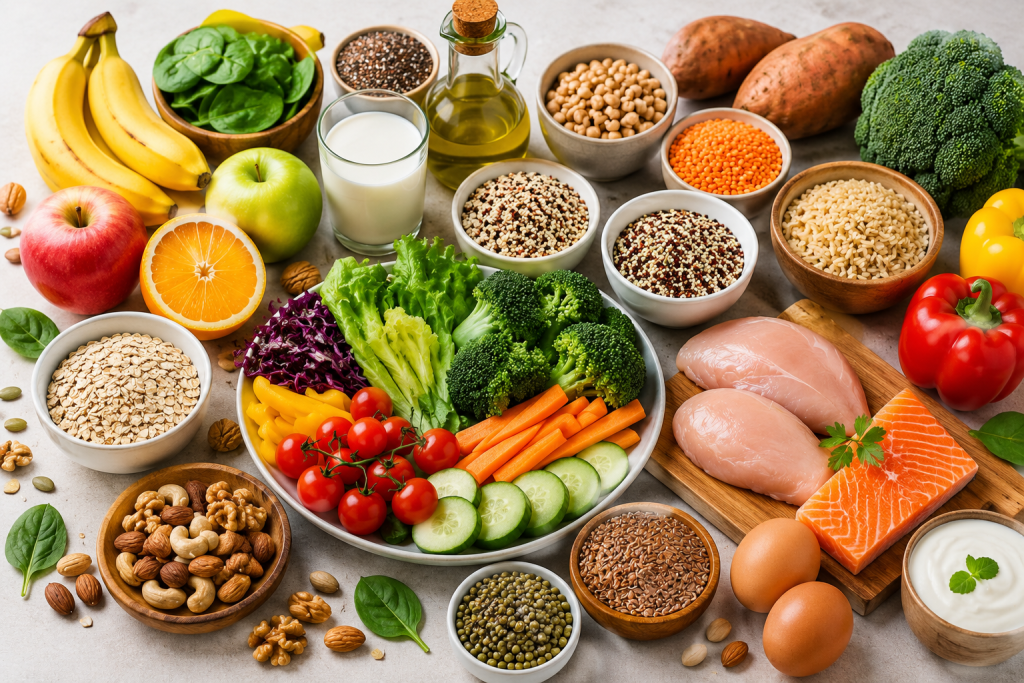
A balanced diet is a way of eating that provides your body with all essential nutrients in proper proportions. These nutrients include:
✅ Carbohydrates
✅ Proteins
✅ Healthy fats
✅ Vitamins
✅ Minerals
✅ Fiber
✅ Water
Your body needs all of these nutrients every day for:
- Energy production
- Muscle repair
- Brain function
- Hormone production
- Immunity
- Digestion
- Bone health
- Skin and hair health
When your body doesn’t get balanced nutrition, it may lead to fatigue, poor concentration, weak immunity, digestive problems, weight gain, or nutrient deficiencies.
Simply put:
A balanced diet = Right foods + Right portions + Right timing
Why Is a Balanced Diet Important?
Food is much more than just fuel. It directly affects how you feel, think, work, and age.
Here are some major benefits of a balanced diet:
1. Provides Steady Energy
Your body needs fuel throughout the day. Balanced meals help maintain stable energy levels and reduce tiredness.
2. Supports Healthy Weight
Balanced eating helps prevent overeating and supports both weight loss and weight maintenance.
3. Builds Strong Muscles
Protein and other nutrients help repair tissues and maintain muscle strength.
4. Boosts Immunity
Vitamins, minerals, and antioxidants help your body fight infections.
5. Improves Digestion
Fiber-rich foods support gut health and prevent constipation.
6. Supports Brain Function
Healthy fats, proteins, and micronutrients improve focus, memory, and mood.
7. Reduces Disease Risk
Balanced nutrition may lower the risk of obesity, diabetes, heart disease, and high blood pressure.
The Main Components of a Balanced Diet
Let’s understand each nutrient in simple language.
1. Carbohydrates – Your Body’s Main Energy Source
Carbohydrates are the body’s preferred source of energy. Every time you walk, work, think, exercise, or even breathe, your body uses energy that largely comes from carbohydrates. They are broken down into glucose, which fuels your brain, muscles, and vital organs.
Many people think carbs cause weight gain, but the truth is not all carbohydrates are bad. The real issue usually comes from refined carbs like sugary snacks, white bread, and soft drinks—not from whole food carbohydrate sources.
Choosing the right carbohydrates can help maintain energy levels, improve workout performance, support digestion, and prevent unnecessary cravings throughout the day.
Healthy carbohydrate sources include:
Whole wheat roti, oats, brown rice, millets, quinoa, sweet potatoes, fruits, beans, and lentils.
Try to limit:
Sugary drinks, pastries, white bread, candies, and highly processed snacks.
2. Protein – The Building Block of Your Body
Protein is one of the most essential nutrients for growth, repair, and recovery. Your muscles, skin, hair, nails, hormones, enzymes, and even your immune system rely on protein to function properly.
Every day your body naturally breaks down tissues and repairs them, and protein helps support this process. This is especially important for growing children, active adults, athletes, seniors, and anyone recovering from illness or injury.
Protein also helps you stay full for longer, which may reduce overeating and support healthy weight management.
Good protein sources include:
Vegetarian sources:
Dal, rajma, chole, paneer, tofu, milk, curd, soy products.
Non-vegetarian sources:
Eggs, chicken, fish, lean meat.
Other sources:
Nuts, seeds, Greek yogurt.
3. Healthy Fats – Essential for Hormones, Brain & Cells
Fat often gets a bad reputation, but healthy fats are extremely important for overall health. Your body needs fat to produce hormones, support brain function, protect organs, and absorb fat-soluble vitamins like A, D, E, and K.
Healthy fats can also improve satiety, meaning they help you feel satisfied after meals. This may reduce unnecessary snacking and sugar cravings.
The key is not to avoid fats—it’s to choose the right kind of fats in the right amount.
Healthy fat sources include:
Almonds, walnuts, chia seeds, flaxseeds, pumpkin seeds, olive oil, mustard oil, avocado, and moderate amounts of ghee.
Limit:
Deep-fried foods, trans fats, processed chips, and packaged bakery items.
4. Vitamins & Minerals – Small Nutrients with Big Responsibilities
Vitamins and minerals are micronutrients that your body needs in smaller amounts, but their role in overall health is extremely important. They support immunity, energy production, bone strength, skin health, vision, brain function, wound healing, and many other essential body processes.
Different vitamins and minerals perform different jobs. For example, Vitamin C supports immunity, Vitamin A helps maintain healthy vision, B vitamins help convert food into energy, Calcium supports strong bones and teeth, Iron helps carry oxygen in the blood, while Magnesium and Zinc support muscle function, recovery, and immune health.
Even mild deficiencies of vitamins or minerals may lead to fatigue, weak immunity, poor concentration, muscle weakness, or low energy levels over time.
Natural vitamin and mineral-rich foods include:
Citrus fruits, amla, carrots, spinach, tomatoes, bell peppers, milk, curd, eggs, lentils, nuts, seeds, dates, bananas, and whole grains.
5. Fiber – Your Digestive System’s Best Friend
Fiber is a type of carbohydrate that your body cannot fully digest, but it plays a major role in keeping your digestive system healthy. It helps food move smoothly through the digestive tract and supports regular bowel movements.
Fiber also helps control blood sugar levels, reduce cholesterol, support gut bacteria, and keep you feeling full for longer.
People who eat low-fiber diets often struggle with constipation, bloating, hunger cravings, or unstable energy levels.
Fiber-rich foods include:
Vegetables, fruits, oats, seeds, beans, lentils, whole grains, and salads.
6. Water – The Most Essential Nutrient for Your Body
Water is one of the most important components of a balanced diet, yet it is often overlooked. Your body is made up of about 60–70% water, which means staying properly hydrated is essential for overall health and daily performance.
Water plays a vital role in many important body functions. It helps with digestion, supports nutrient absorption, regulates body temperature, carries oxygen and nutrients to cells, removes waste products, lubricates joints, and helps maintain energy levels throughout the day.
Even mild dehydration may lead to fatigue, headaches, poor concentration, muscle cramps, dry skin, and reduced physical performance. Many people confuse thirst with hunger, which can also lead to unnecessary snacking.
Most adults need around 2–3 liters of water daily, although individual needs may vary depending on age, activity level, climate, and health conditions.
Simple hydration tip:
Don’t wait until you feel thirsty—drink water consistently throughout the day to keep your body functioning at its best.
The Balanced Plate Method
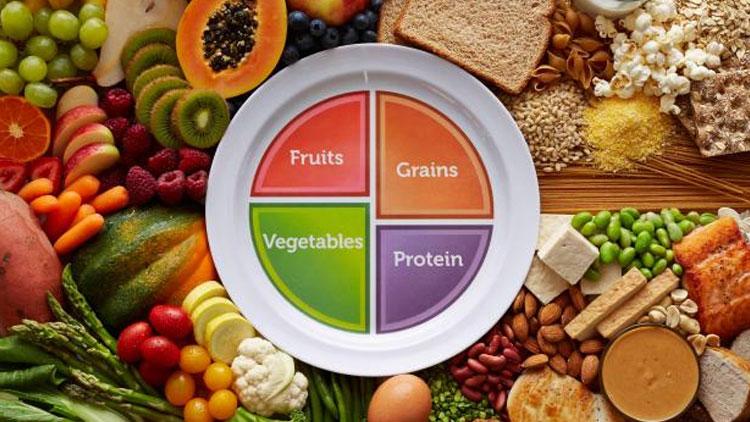
One of the easiest ways to eat balanced meals is using the plate method.
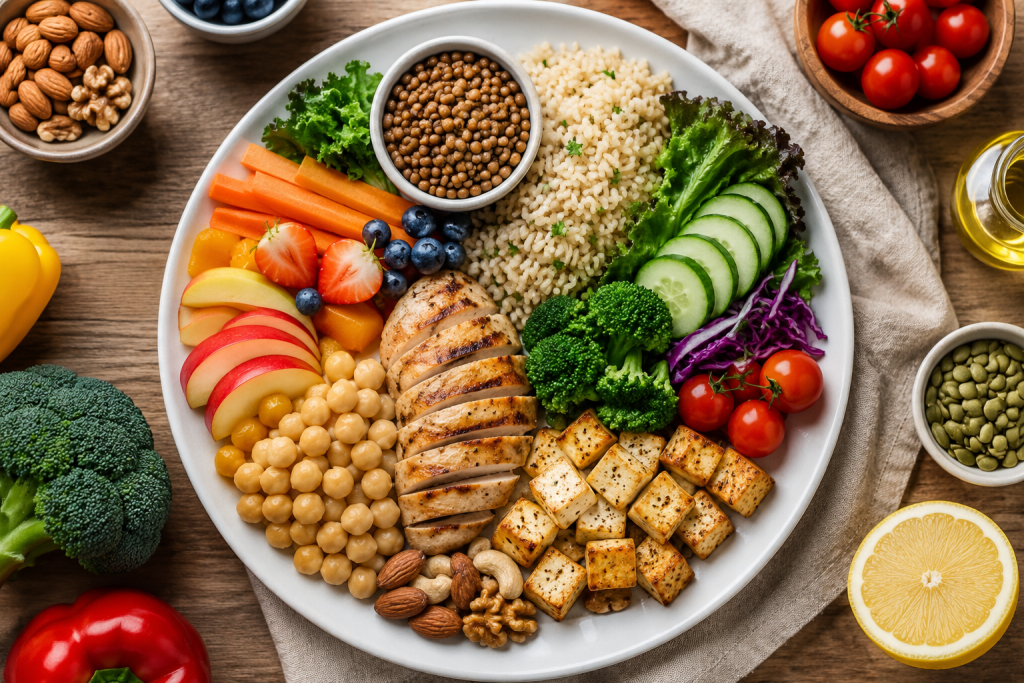
A simple healthy plate should look like this:
½ Plate = Vegetables and Salad
Examples:
- Cucumber
- Carrot
- Tomato
- Broccoli
- Spinach
- Beans
¼ Plate = Protein
Examples:
- Dal
- Paneer
- Chicken
- Eggs
- Fish
- Tofu
¼ Plate = Healthy Carbohydrates
Examples:
- Roti
- Rice
- Quinoa
- Oats
- Millets
Add:
✅ A bowl of curd
✅ Healthy fats in moderation
✅ Water
This method works for most people.
Balanced Diet Ratio
A general nutrition ratio may look like:
- 45–55% carbohydrates
- 15–25% protein
- 20–30% fats
Remember:
There is no single perfect ratio for everyone.
Athletes, pregnant women, children, seniors, and people with medical conditions may need different nutrition plans.
Example of an Indian Balanced Diet
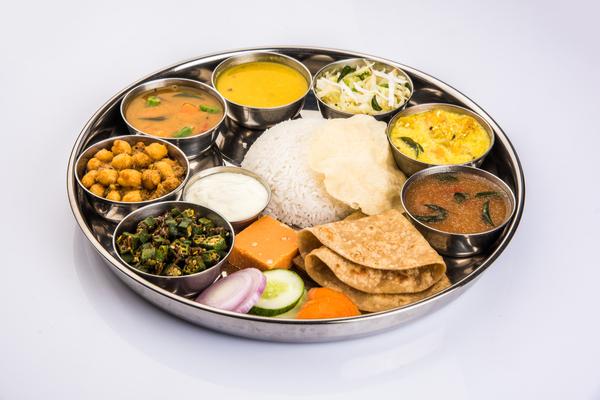
Here’s a simple example.
Breakfast
- Vegetable oats or poha
- Boiled eggs or paneer
- Fruit
- Water
Mid-Morning
- Coconut water
- Nuts
Lunch
- 2 rotis
- Dal
- Sabzi
- Salad
- Curd
Evening Snack
- Roasted chana
- Green tea
Dinner
- Soup
- Paneer or chicken
- Vegetables
- Small portion of carbs
Before Bed
- Warm milk (optional)
Common Mistakes People Make
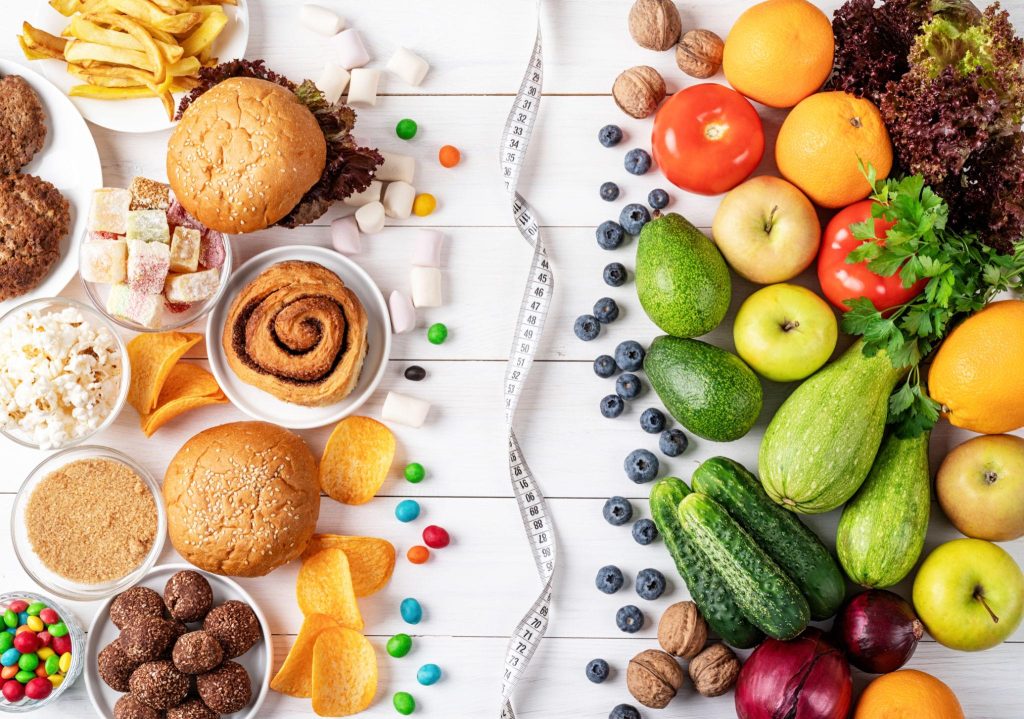
Even health-conscious people make these mistakes.
1. Skipping Meals
Skipping meals may lead to overeating later.
2. Avoiding Carbs Completely
Your body needs carbs for energy.
3. Eating Too Little Protein
Many people focus only on calories.
4. Drinking Very Little Water
Even mild dehydration affects energy.
5. Eating “Healthy” Packaged Foods
Granola bars, juices, and flavored yogurts may contain hidden sugar.
6. No Vegetables
Many meals lack fiber and micronutrients.
7. Eating Too Fast
Fast eating often causes overeating.
8. Late-Night Heavy Meals
This may affect digestion and sleep.
How to Start Eating a Balanced Diet
If you’re a beginner, start small.
Step 1:
Add one fruit daily.
Step 2:
Include protein in every meal.
Step 3:
Drink enough water.
Step 4:
Half your plate should include vegetables.
Step 5:
Reduce ultra-processed foods.
Step 6:
Maintain consistent meal timing.
Small habits create big results.
Final Thoughts
A balanced diet is not about eating less, skipping meals, or following strict food rules. It is about giving your body the right nutrients in the right proportions so you can feel energetic, stay healthy, and perform at your best every day.
Small daily choices—like eating real food, staying hydrated, including protein in every meal, and maintaining consistency—can create lifelong health benefits.
Remember, true transformation doesn’t come from temporary diets. It comes from balanced habits that you can follow for life.
For more expert nutrition tips, healthy recipes, and personalized diet guidance, visit: Refining Diet.