
Food is more than just fuel—it’s the foundation of a healthy, productive life. It powers your body, strengthens your immune system, supports mental well-being, and helps prevent chronic diseases. By following a healthy diet and enjoying balanced meals, your body gets the essential nutrients it needs for growth, energy, and overall wellness. Understanding the importance of nutrition empowers you to make smarter choices for your health, your community, and even the planet—helping you decide what truly deserves a place on your plate.
Food Provides Essential Energy for Daily Activities

Food supplies the energy required for all bodily functions. Carbohydrates are the body’s primary energy source, especially for the brain, which relies heavily on glucose for concentration and cognitive performance. Whole grains, fruits, and vegetables provide steady energy release, preventing fatigue and mental sluggishness.
Proteins support muscle repair and maintenance. Daily movement causes minor muscle damage, which protein helps rebuild, maintaining strength and physical endurance. Fats serve as a concentrated energy source for long-term needs and assist in hormone production and absorption of fat-soluble vitamins (A, D, E, and K).
Calories also support basic metabolic processes such as breathing, circulation, digestion, and temperature regulation. Inadequate calorie intake slows metabolism and weakens overall bodily function. Simple carbs work great for quick energy bursts, while complex carbs sustain you through longer activities.
Calories maintain basic metabolic processes
Your body burns calories continuously, even while sleeping, to power essential functions like breathing, circulation, cellular repair, and maintaining body temperature. This baseline energy requirement, called your basal metabolic rate, typically accounts for 60-75% of your total daily calorie needs.
Different body systems have varying energy demands:
| Body System | Daily Calorie Usage (%) |
| Brain | 20% |
| Heart & Circulation | 15% |
| Liver | 12% |
| Kidneys | 10% |
| Other Organs | 43% |
When calorie intake drops too low, your metabolism slows down to preserve energy, affecting everything from body temperature regulation to immune function.
Nutrition Strengthens the Immune System

A strong immune system relies heavily on proper nutrition to function effectively. Vitamins such as C and D play a vital role in protecting the body against infections and illnesses. Vitamin C strengthens white blood cells and helps the body fight pathogens more efficiently, while vitamin D regulates immune cell activity and supports the body’s ability to distinguish between harmful invaders and healthy cells.
Antioxidants found in fruits and vegetables protect immune cells from damage caused by free radicals produced by pollution, stress, and normal metabolic processes. Nutrients like beta-carotene, vitamin E, and flavonoids help reduce inflammation and maintain cellular health. By neutralizing harmful molecules, antioxidants allow the immune system to remain strong and responsive during periods of stress or illness.
Minerals such as zinc and iron are equally essential for immune defense. Zinc supports the development and proper functioning of immune cells, while iron ensures oxygen is delivered efficiently to these cells so they can perform their protective roles. A diet rich in vitamins, minerals, and antioxidants enhances disease resistance, speeds up recovery, and helps the body maintain long-term immune strength.
Proper Diet Promotes Healthy Growth and Development

Calcium is essential for building strong bones and teeth, especially during childhood and adolescence when the skeletal system develops rapidly. It strengthens bones by forming a solid internal structure and supports durable tooth enamel. Foods such as dairy products, leafy greens, and fortified foods provide the calcium needed to reduce the risk of weak bones, cavities, and future skeletal problems.
Essential amino acids also play a crucial role in growth and development. They support the formation and repair of muscles, organs, skin, and other tissues. Because children require more protein relative to body weight than adults, consuming complete proteins or properly combined plant-based sources is necessary to ensure healthy tissue development and physical growth.
Proper nutrition further supports organ and brain development. Nutrients such as iron, omega-3 fatty acids, and B-vitamins contribute to heart function, brain growth, memory, and learning ability. Balanced meals and consistent nutrient intake enhance cognitive performance and support long-term physical and mental health.
Food Intake Maintains Optimal Body Weight Management

Maintaining a healthy body weight depends largely on mindful food intake and portion control. Consistently consuming more calories than the body burns, leads to fat accumulation, increasing the risk of obesity-related conditions such as heart disease, diabetes, and joint strain. Effective portion control does not require extreme dieting but involves understanding appropriate serving sizes, eating slowly, and responding to natural hunger and fullness cues to prevent overeating.
Choosing nutrient-dense foods helps manage weight by keeping hunger under control for longer periods. foods rich in protein, fiber, and healthy fats provide steady energy and prevent rapid blood sugar spikes that trigger cravings. Lean proteins, whole grains, vegetables, and healthy fats require more energy to digest and help stabilize appetite, making it easier to maintain balanced eating habits and avoid unhealthy snacking.
Balanced meals also support healthy metabolism and energy regulation. When meals include carbohydrates, proteins, and healthy fats in proper proportions, the body efficiently converts food into usable energy rather than storing it as fat. Eating at regular intervals prevents metabolic slowdown and supports consistent calorie burning. A steady supply of quality nutrients allows the body to maintain optimal weight naturally and sustainably.
Nutrition Enhances Mental Health and Cognitive Performance
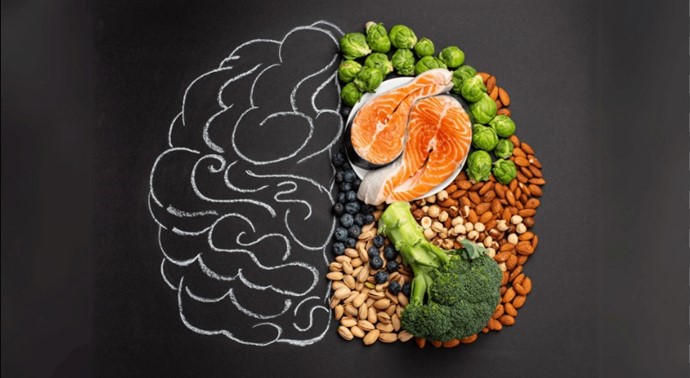
Omega-3 fatty acids play a critical role in brain health, as the brain relies heavily on healthy fats to function efficiently. DHA, a key omega-3, helps maintain flexible brain cell membranes and supports effective communication between neurons. Regular consumption of omega-3-rich foods such as salmon, walnuts, and flaxseeds, improves memory, focus, and mental clarity while also helping protect against cognitive decline, depression, and anxiety.
Complex carbohydrates provide the brain with a steady and reliable source of energy. Unlike simple sugars that cause rapid spikes and crashes in blood sugar, complex carbohydrates break down slowly, supplying consistent glucose to the brain. Foods such as whole grains, oats, and sweet potatoes help stabilize mood, reduce irritability, and prevent mental fatigue, allowing for sustained concentration and productivity throughout the day.
B-vitamins and proper hydration further support optimal brain function. B-vitamins are essential for neurotransmitter production, influencing mood, motivation, and memory, while also protecting nerve cells and brain tissue. Adequate hydration is equally important, as even mild dehydration can impair focus and increase fatigue. Drinking sufficient water ensures efficient nutrient delivery, waste removal, and overall mental clarity.
Regular Eating Prevents Chronic Disease Development

A healthy diet significantly reduces the risk of chronic diseases. Fiber-rich foods help lower cholesterol, regulate blood sugar, and reduce the risk of heart disease. Diets high in fruits and vegetables provide antioxidants that protect cells from damage linked to cancer development.
Limiting refined sugar intake helps prevent insulin resistance and type 2 diabetes. Healthy fats, particularly omega-3s and monounsaturated fats, reduce inflammation and protect against heart disease, arthritis, and metabolic disorders.
Consistent healthy eating patterns act as preventive medicine, reducing long-term healthcare costs and improving quality of life.
Food Provides Social Connection and Cultural Identity

Food plays an important social role by bringing people together and strengthening human connections. Shared meals help improve family bonds, encourage open communication, and support emotional well-being. Children who regularly eat with their families often show better social behavior, emotional stability, and improved academic performance. These shared moments create routines that strengthen trust and emotional security within families.
Traditional foods are a key part of preserving cultural heritage. Passing down recipes, cooking methods, and food customs helps maintain cultural identity and strengthens connections to ancestry. Sharing traditional meals allows values and traditions to continue across generations. Food becomes a living expression of history, culture, and shared identity.
Community dining and food-related gatherings promote social interaction and cooperation among people from different backgrounds. These shared experiences encourage understanding, build trust, and create a sense of unity. Food-centered gatherings also help break social barriers and foster a feeling of belonging within communities.
Proper Nutrition Improves Physical Appearance and Vitality

Adequate protein intake is essential for maintaining healthy skin and hair. Proteins such as collagen and keratin rely on a steady supply of amino acids to keep skin firm and elastic while supporting strong hair growth. When protein intake is insufficient, skin may lose resilience and hair can become thin and prone to breakage. Consuming high-quality protein sources, including eggs, fish, lean meats, and well-combined plant proteins, helps maintain skin and hair health.
Hydrating foods play an important role in promoting a youthful complexion. Fruits and vegetables with high water content, such as cucumbers, watermelon, citrus fruits, and leafy greens, deliver hydration along with antioxidants and vitamins that support skin health. These foods release moisture gradually, helping the skin retain hydration and preventing dryness, dullness, and early wrinkles.
Balanced nutrition also supports healthy weight distribution and physical appearance. Diets that include protein, healthy fats, and complex carbohydrates help regulate hormones, maintain muscle mass, and prevent excess fat storage. Proper nutrition encourages efficient energy use, supporting a fit, energetic, and well-balanced body.
Food Security Ensures Economic Stability and Productivity

Well-nourished employees are essential for maintaining high productivity in any workplace. Access to consistent, nutritious meals helps workers keep their cognitive abilities sharp, energy levels stable, and focus sustained throughout the day. Companies that invest in employee nutrition programs, such as healthy cafeteria options or meal subsidies, often see measurable returns through increased efficiency and reduced turnover rates.
Proper nutrition not only boosts workplace performance but also reduces healthcare costs and prevents chronic conditions that impose heavy financial burdens. Communities with reliable access to nutritious food experience stronger economic growth, as local food markets and agricultural investments create jobs and keep money circulating locally. Preventing chronic diseases like diabetes, heart disease, and obesity through proper diet saves thousands of dollars per individual annually.
Proper diet prevents costly chronic conditions
Chronic diseases like diabetes, heart disease, and obesity create massive economic burdens on both individuals and healthcare systems. Type 2 diabetes alone costs the average patient $16,000 annually in medical expenses. Proper nutrition can prevent or reverse many of these conditions before they require expensive treatments.
| Chronic Condition | Annual Cost Per Patient | Prevention Through Diet |
| Type 2 Diabetes | $16,000 | 80% preventable |
| Heart Disease | $18,000 | 70% preventable |
| Obesity-related issues | $12,000 | 90% preventable |
Sustainable Food Choices Protect Environmental Health

Buying food from local farmers and producers dramatically lowers the environmental impact of meals. Local food stays fresher, reduces spoilage and methane emissions from waste, and supports farmland in the community instead of letting it be converted to carbon-intensive developments.
Organic farming protects both human health and the environment by avoiding synthetic pesticides, herbicides, and fertilizers. Choosing organic produce lowers pesticide exposure in families and encourages more sustainable, humane farming practices.